
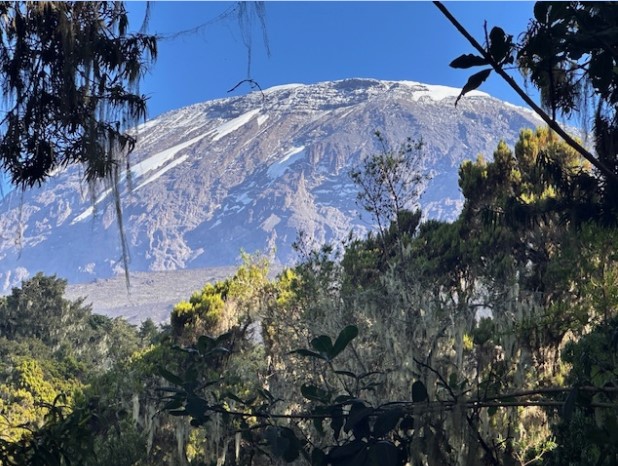
Every year, adventurers from around the world set their sights on Mount Kilimanjaro, Africa’s towering giant that rises 5,895 meters above the Tanzanian landscape. This majestic mountain, with its snow-capped summit visible for miles across the savanna, represents one of mountaineering’s most achievable yet rewarding challenges. Unlike peaks that demand technical expertise, ice climbing skills, or years of training, Kilimanjaro welcomes determined trekkers who choose the right climbing tour and prepare properly for the altitude and physical demands ahead.
What Makes Kilimanjaro Climbing Tours Unique
Kilimanjaro climbing tours offer something rare in high-altitude mountaineering: accessibility combined with genuine challenge. These professionally organized expeditions transform what would be an impossible independent venture into a structured, supported journey to one of the world’s most celebrated summits. The uniqueness lies in the mountain’s non-technical nature paired with extreme altitude that tests every climber’s endurance and acclimatization capacity.
Tours provide comprehensive infrastructure including experienced local guides who’ve summited hundreds of times, dedicated support teams carrying equipment and supplies, established camps positioned for optimal acclimatization, nutritious meals prepared at altitude, and safety systems protecting climbers from the mountain’s inherent dangers. This structure allows ordinary people with determination and fitness to attempt what would otherwise require expedition-level planning and resources.
The mountain itself presents remarkable diversity rarely found elsewhere. Climbers traverse five distinct ecological zones during their ascent: cultivated farmland surrounding the base, dense montane rainforest teeming with colobus monkeys and exotic birds, heath and moorland dotted with unique giant groundsels, alpine desert where only the hardiest plants survive, and arctic summit zone with glaciers and permanent snow despite being just three degrees from the equator.
Exploring Route Options in Kilimanjaro Climbing Tours
Understanding the seven established routes represents your first major decision when selecting Kilimanjaro climbing tours. Each path offers distinct characteristics regarding scenery, difficulty, duration, crowds, and acclimatization profiles that dramatically affect your summit success probability.
Machame: The Popular Choice
The Machame Route dominates Kilimanjaro climbing tours due to its excellent balance of challenge, scenery, and success rates. This six-to-seven-day journey approaches from the mountain’s southwest, beginning in lush rainforest before climbing through diverse ecological zones. The route’s popularity stems from its “climb high, sleep low” profile that naturally promotes acclimatization.
What sets Machame apart is its varied terrain and spectacular views. Climbers traverse beneath the expansive Shira Plateau, navigate the famous Barranco Wall requiring scrambling but no technical skills, and approach the summit via Stella Point. The route typically achieves 85-90% summit success rates when properly paced over seven days, making it ideal for first-time high-altitude trekkers seeking reliable results.
Lemosho: Premium Wilderness Experience
For those selecting Kilimanjaro climbing tours prioritizing optimal acclimatization and pristine wilderness, Lemosho stands unmatched. This seven-to-eight-day route begins at the remote western side, crossing the Shira Plateau before merging with Machame Route at Lava Tower. The additional days and remote start create lower traffic and superior altitude adaptation.
Lemosho consistently produces success rates exceeding 90%, justifying the higher cost through near-guaranteed summit achievement. The route showcases Kilimanjaro’s complete ecological spectrum while allowing leisurely pacing that reduces altitude sickness risk. Experienced operators recommend Lemosho for climbers willing to invest extra days for dramatically improved summit probability.
Marangu: The Hut Route Alternative
Marangu holds unique status among Kilimanjaro climbing tours as the only route featuring permanent sleeping huts with bunk beds instead of camping. This five-to-six-day path ascends and descends the same trail from the southeast, passing through beautiful forest and moorland to reach the summit.
While hut accommodation appeals to those uncomfortable with camping, Marangu’s rapid ascent contributes to disappointing success rates around 60-70%. The identical ascent and descent paths also reduce scenic variety compared to routes that circle the mountain. Most experienced guides suggest longer camping routes for better acclimatization unless huts are absolutely necessary.
Rongai: Northern Approach
Originating near the Kenyan border, Rongai offers Kilimanjaro climbing tours characterized by drier conditions and northern perspectives. This six-to-seven-day route traverses the rain shadow side, experiencing less precipitation than popular southern approaches. The gradual gradient makes it accessible for less experienced trekkers.
Rongai attracts climbers seeking solitude and those traveling during wetter seasons when the northern slopes remain drier. Success rates typically reach 75-80%, solid if not exceptional. The route provides different wildlife viewing opportunities and unique scenery, though it lacks the dramatic landscapes of Machame and Lemosho.
Northern Circuit: The Comprehensive Journey
The Northern Circuit represents the newest addition to Kilimanjaro climbing tours, circumnavigating nearly the entire mountain over eight to nine days. This extended expedition provides unparalleled acclimatization time, minimal crowds, and the most comprehensive mountain experience available.
With success rates approaching 95%, Northern Circuit offers the highest summit probability of any standard route. The extra days allow thorough altitude adaptation while showcasing perspectives unavailable on shorter routes. Premium pricing reflects extended park fees and complex logistics, but climbers prioritizing success and comprehensive experiences find exceptional value.
Umbwe and Western Breach: Specialized Options
Umbwe presents the steepest, most direct ascent among Kilimanjaro climbing tours. This challenging route suits experienced, fit climbers seeking maximum difficulty. However, its rapid elevation gain produces lower success rates around 60-65%. The Western Breach adds technical scrambling through rockfall-prone areas, offered by fewer operators due to elevated risk.
Essential Components of Quality Tours
Understanding what comprehensive Kilimanjaro climbing tours provide helps you evaluate operator offerings and recognize potential service gaps or hidden costs.
Guide and Staff Qualifications
Professional guides represent the cornerstone of safe, successful expeditions. Licensed Kilimanjaro guides undergo extensive training in navigation, altitude sickness recognition and management, emergency response procedures, wilderness first aid, and communication protocols. The best guides combine technical knowledge with interpersonal skills, motivating climbers through difficult moments while making conservative safety decisions.
Quality Kilimanjaro climbing tours maintain appropriate staffing ratios, typically one lead guide per four climbers plus assistant guides. Support staff including porters and cooks receive proper training, equipment, and fair compensation. Organizations like KPAP (Kilimanjaro Porters Assistance Project) certify operators meeting ethical employment standards, providing assurance that your tour doesn’t exploit vulnerable workers.
Equipment Standards and Quality
Camping equipment quality significantly impacts comfort and potentially safety during your expedition. Comprehensive Kilimanjaro climbing tours provide four-season tents rated for high-altitude conditions, thick insulated sleeping mats preventing ground cold, spacious dining tents with furniture, high-quality cooking equipment, and for premium tours, portable toilet facilities at each camp.
Budget operators often cut costs through worn equipment, thin sleeping mats, cramped tents, and inadequate dining facilities. These compromises reduce comfort and during severe weather may compromise safety. When comparing tours, inquire specifically about equipment age, specifications, and maintenance standards.
Nutrition and Meal Planning
Proper nutrition at altitude directly impacts energy, acclimatization, and summit success. Quality Kilimanjaro climbing tours provide three substantial meals daily designed for high-altitude needs. Breakfast typically includes porridge, eggs, bread, and fruit. Lunch features sandwiches, soups, or hot dishes. Dinner offers multi-course meals with proteins, carbohydrates, vegetables, and desserts.
Experienced cooks accommodate dietary restrictions including vegetarian, vegan, gluten-free, kosher, and halal requirements when notified in advance. All food preparation uses purified water and maintains hygienic standards critical at altitude where digestive issues prove especially problematic.
Safety Systems and Emergency Protocols
Comprehensive safety systems separate quality Kilimanjaro climbing tours from budget alternatives. Essential safety components include emergency oxygen supplies with delivery systems for treating altitude sickness, extensive first aid kits with prescription altitude medications, pulse oximeters for monitoring blood oxygen saturation, Gamow bags or equivalent for emergency altitude illness treatment, satellite phones or radios for rescue coordination, and detailed evacuation plans with backup resources.
Reputable operators conduct twice-daily health checks, monitor vital signs, and maintain conservative policies regarding summit attempts. They prioritize safety over summit success, turning climbers back when health indicators warrant despite the disappointment involved.
The Critical Importance of Operator Selection
Your tour operator fundamentally determines safety, comfort, success probability, and whether your expedition supports ethical employment or exploits workers. With hundreds of companies offering Kilimanjaro climbing tours, careful selection proves essential.
Verification and Certification
Start by verifying operator credentials through official channels. Legitimate operators hold licensing from Tanzania National Parks Authority (TANAPA), maintain active membership in the Kilimanjaro Association of Tour Operators (KIATO), achieve certification from Kilimanjaro Porters Assistance Project (KPAP) for ethical porter treatment, and carry comprehensive liability insurance.
These certifications indicate adherence to safety standards, fair employment practices, and professional operations. Avoid operators unable or unwilling to provide verification of official credentials.
Review Analysis and Reputation
Contemporary climbers benefit from extensive online reviews documenting operator performance. Research recent feedback on TripAdvisor, SafariBookings, Google Reviews, and mountaineering forums. Focus on reviews from the past 12-18 months for current conditions.
Look for patterns rather than isolated experiences. Consistent mentions of successful summits, professional guides, quality equipment, good food, and ethical staff treatment indicate reliable operators. Red flags include recurring complaints about altitude sickness from rushed itineraries, worn equipment, insufficient food, overworked porters, guides pressuring sick climbers, or defensive operator responses to criticism.
Communication and Transparency
Quality Kilimanjaro climbing tours demonstrate professionalism through responsive, detailed communication. Reputable operators provide comprehensive itineraries with elevation profiles, complete equipment lists specifying provided versus required items, transparent pricing showing all inclusions and exclusions, honest assessments of difficulty and success rates, and patient, thorough responses to questions.
Warning signs include vague information, evasion of specific questions, pressure tactics for immediate booking, unrealistic promises about easy summits, and significantly lower prices without clear explanations.
Preparing Physically and Mentally
While Kilimanjaro requires no technical climbing skills, physical and mental preparation dramatically impacts enjoyment and success probability. Most successful climbers invest three to six months in structured training.
Physical Conditioning
Effective preparation focuses on cardiovascular endurance, leg strength, and hiking experience. Ideal training includes regular hiking with gradually increasing distances and elevation gain, stair climbing with weighted backpack simulating loaded hiking, cardiovascular exercise like running or cycling four to five times weekly, strength training emphasizing legs, core, and back, and extended practice hikes approaching eight hours.
The summit day typically involves 12-16 hours of continuous activity, beginning around midnight with the summit push to Uhuru Peak, followed by descent back to high camp and further descent to lower camps. Training should build capacity for extended exertion at diminishing intensity as altitude effects accumulate.
Mental Preparation
Psychological resilience often determines success more than physical fitness. Kilimanjaro tests mental toughness through cold conditions, sleep deprivation, altitude discomfort, and relentless uphill grinding. Successful climbers cultivate determination, positive self-talk, visualization techniques, and acceptance of discomfort.
Understanding that summit day involves suffering helps frame expectations realistically. Everyone struggles during the final push to Uhuru Peak. Success belongs to those who continue moving forward despite discomfort, trusting that the challenge is temporary while the achievement lasts forever.
Timing Your Expedition
Kilimanjaro climbing tours operate year-round, though seasonal variations significantly affect weather, conditions, and success rates. Understanding seasonal patterns helps optimize your expedition timing.
Primary Climbing Seasons
January through mid-March offers excellent conditions with generally clear skies, moderate temperatures, and minimal rainfall. This period sees fewer crowds than the popular mid-year season while providing comparable weather. Snow presence at higher elevations adds scenic beauty.
Late June through October represents peak season, particularly August and September. These months deliver the most stable weather with lowest precipitation probability and clearest summit views. However, popular routes like Machame become crowded, and temperatures drop to their coldest requiring proper winter equipment.
Shoulder Seasons
April-May and November bring increased rainfall, cloudier conditions, and muddier trails. These shoulder months offer significant discounts often 15-25% below peak season rates and dramatically reduced crowds. Adventurous climbers willing to accept variable weather can find excellent value and solitude.
Success rates dip slightly during shoulder seasons due to weather challenges, but proper preparation and flexible scheduling around weather windows still produce high summit probabilities.
Group Dynamics and Private Options
Kilimanjaro climbing tours operate as scheduled group departures or private expeditions, each offering distinct advantages.
Group Tours
Scheduled group departures assemble climbers with compatible dates to share costs and experiences. Benefits include substantially lower per-person pricing often 30-40% less than private options, built-in social dynamics and shared motivation, established departure dates ensuring operator commitment, and efficient logistics through practiced systems.
Groups typically range from four to twelve climbers, creating camaraderie and mutual support. Shared experiences during difficult moments often forge lasting friendships.
Private Expeditions
Private Kilimanjaro climbing tours provide complete flexibility in dates, pacing, itinerary, and group composition. While costing significantly more, private tours accommodate specific schedules, allow climbing with chosen companions, enable customized experiences, and provide dedicated guide attention.
Families, close friends, corporate teams, or those with inflexible schedules often find private expeditions worth the premium. The ability to adjust pacing, rest days, or route details provides personalized experiences unavailable in group settings.
Beyond the Summit: Extensions and Combinations
Most climbers extend their Tanzania visit beyond Kilimanjaro climbing tours to explore the country’s world-famous wildlife and beaches.
Safari Extensions
Tanzania hosts some of Africa’s premier wildlife destinations. Serengeti National Park offers unmatched wildlife density and the Great Migration. Ngorongoro Crater presents concentrated game viewing in a stunning geological setting. Tarangire National Park showcases elephant herds and baobab landscapes. Safari extensions typically range from three to seven days, perfectly complementing Kilimanjaro expeditions.
Many operators offer combination packages bundling climbing tours with safari extensions at discounted rates compared to booking separately. These combinations provide comprehensive Tanzania experiences encompassing both mountaineering achievement and wildlife encounters.
Zanzibar Beach Relaxation
After the physical demands of Kilimanjaro, Zanzibar’s pristine beaches offer ideal recovery locations. The semi-autonomous archipelago features turquoise waters, white sand beaches, historic Stone Town, spice plantations, and vibrant marine life. Beach extensions allow rest, reflection on your summit achievement, and cultural exploration.
Zanzibar adds minimal travel time from mainland Tanzania, making it convenient for post-climb relaxation before international flights home.
Key Takeaways
- Kilimanjaro climbing tours provide comprehensive supported expeditions making Africa’s highest peak accessible to determined trekkers without technical skills
- Route selection critically impacts success rates, with longer seven-to-nine-day routes achieving 85-95% success versus 60-70% for rushed five-to-six-day options
- Operator quality determines safety, comfort, success probability, and ethical employment practices
- Machame and Lemosho routes offer optimal combinations of scenery, acclimatization, and success for most climbers
- Physical preparation requiring three to six months of cardiovascular and strength training significantly improves summit probability
- KPAP certification ensures operators treat porters ethically with fair wages and proper equipment
- January-March and June-October provide the most favorable weather conditions
- Group tours deliver excellent value while private expeditions offer flexibility and personalization
- Proper acclimatization through longer routes dramatically increases summit success over rapid ascents
- Extensions combining Kilimanjaro climbing tours with safaris and Zanzibar create comprehensive Tanzania adventures
Frequently Asked Questions
What exactly are Kilimanjaro climbing tours and what do they provide?
Kilimanjaro climbing tours are professionally organized expeditions providing all necessary services for safe summit attempts. Comprehensive tours include certified mountain guides with extensive high-altitude experience, support staff (porters, cooks) carrying equipment and preparing meals, all camping equipment (tents, sleeping mats, dining facilities), three nutritious daily meals plus snacks and purified water, Tanzania National Parks fees and permits, safety equipment including emergency oxygen and first aid, airport transfers and pre-climb accommodation, and summit certificates. Climbers provide personal gear like sleeping bags, clothing, and boots.
How physically demanding are Kilimanjaro climbing tours?
Kilimanjaro climbing tours require good fitness but no technical skills. Challenges include six to nine consecutive days of hiking uphill with elevation gain, altitude effects increasing above 4,000 meters causing headaches, nausea, and fatigue, summit day involving 12-16 hours of continuous trekking beginning around midnight, cold temperatures especially during summit night dropping below -20°C, and basic camping conditions with limited amenities. Success requires three to six months of cardiovascular and strength training, though thousands of ordinary people with determination successfully summit annually.
Which route should I choose for my first Kilimanjaro climbing tour?
The seven-day Machame Route offers optimal balance for first-time climbers, combining excellent acclimatization with 85-90% success rates, spectacular scenery, and reasonable difficulty. The eight-day Lemosho Route provides even better acclimatization and 90%+ success rates, though at higher cost. Avoid the five-to-six-day Marangu Route despite its easier reputation—rapid ascent contributes to only 60-70% success. Longer routes dramatically improve summit probability through proper altitude adaptation. Choose Machame for balanced experience or Lemosho for maximum success probability.
How do I identify reputable Kilimanjaro climbing tour operators?
Select operators through verification of KPAP (Kilimanjaro Porters Assistance Project) certification ensuring ethical porter treatment, KIATO (Kilimanjaro Association of Tour Operators) membership, proper TANAPA licensing, comprehensive insurance coverage, extensive positive recent reviews on TripAdvisor and SafariBookings, transparent detailed pricing and itineraries, responsive professional communication, and realistic claims about conditions and success rates. Avoid operators offering suspiciously low prices, providing vague information, demonstrating poor communication, or unable to verify credentials.
What’s the best season for Kilimanjaro climbing tours?
Optimal seasons are January through mid-March and late June through October, offering the most stable weather, clearest skies, and highest success rates. June-October is busiest, particularly August-September. January-March provides excellent conditions with fewer crowds. Shoulder seasons (April-May, November) bring increased rainfall and variable conditions but offer 15-25% discounts and dramatically fewer crowds. Book six to twelve months ahead for peak season with quality operators. Last-minute bookings may find availability during shoulder seasons.
Can I climb Kilimanjaro independently without joining a tour?
No. Tanzanian law strictly prohibits independent climbing. All climbers must join organized Kilimanjaro climbing tours with licensed guides through authorized operators. This regulation ensures proper safety protocols, emergency response capabilities, conservation compliance, porter employment, and park revenue. Even experienced mountaineers with extensive high-altitude experience cannot obtain permits for independent climbs. Private tours offer flexibility in scheduling and pacing but still require professional guide services.
What’s the success rate for reaching Kilimanjaro’s summit?
Success rates vary dramatically by route and duration. Five-to-six-day routes achieve only 60-70% success due to inadequate acclimatization time. The seven-day Machame Route reaches 85-90% success. Seven-to-eight-day Lemosho tours exceed 90%. The eight-to-nine-day Northern Circuit approaches 95% through optimal acclimatization. Individual success depends on physical preparation, proper pacing, good health, favorable weather, and following guide instructions. Choosing longer routes dramatically improves summit probability.
How far in advance should I book Kilimanjaro climbing tours?
Book six to twelve months in advance for optimal operator selection, preferred dates during peak seasons (January-March, June-October), potential early-bird discounts, adequate physical preparation time, and visa/vaccination scheduling. Popular dates like Christmas holidays require even earlier booking. Last-minute bookings (one to three months ahead) may find availability during shoulder seasons at discounted rates but risk limited operator choice or unavailability with quality companies during peak periods.
Conclusion
Kilimanjaro climbing tours transform the dream of summiting Africa’s highest peak into achievable reality for determined adventurers worldwide. Through professional organization, experienced guides, comprehensive support systems, and established infrastructure, these tours enable ordinary people without technical mountaineering backgrounds to safely attempt one of the world’s most celebrated summits. The mountain’s unique accessibility combined with genuine altitude challenge creates an incomparable adventure balancing attainability with profound achievement.
Success in selecting Kilimanjaro climbing tours depends on understanding the critical factors that separate quality operators from inadequate alternatives. Route selection, operator reputation, proper acclimatization scheduling, ethical employment practices, and comprehensive safety systems all significantly impact your summit probability and overall experience. While cost considerations matter, prioritizing certified operators with proven track records justifies modest additional investment through dramatically improved success rates and genuine safety protocols.
The preparation journey itself often proves as valuable as the summit achievement. Training for Kilimanjaro typically catalyzes lasting fitness improvements, healthier lifestyle choices, and enhanced self-confidence. The mountain tests both physical endurance and mental resilience, teaching valuable lessons about perseverance, discomfort tolerance, and the power of sustained effort toward ambitious goals.
Standing on Uhuru Peak at sunrise, witnessing glaciers gleaming as dawn illuminates the vast African continent below, creates one of mountaineering’s most memorable moments. The accomplishment resonates deeply, representing triumph over altitude, weather, fatigue, and self-doubt through determination and proper preparation. These profound experiences, shared with supportive guides and fellow climbers who’ve become friends, justify the financial investment and training commitment.
As you research and select among Kilimanjaro climbing tours, remember this adventure offers far more than summit photos and bragging rights. You’ll gain confidence, test your limits, experience remarkable ecological diversity, engage with Tanzanian culture, support local communities, and join an exclusive group of fewer than 50,000 annual summiteers. Choose wisely, prepare thoroughly, and approach the mountain with respect and determination. The rewards of reaching Africa’s rooftop through quality climbing tours will enrich your life long after you descend from Kilimanjaro’s magnificent summit.