
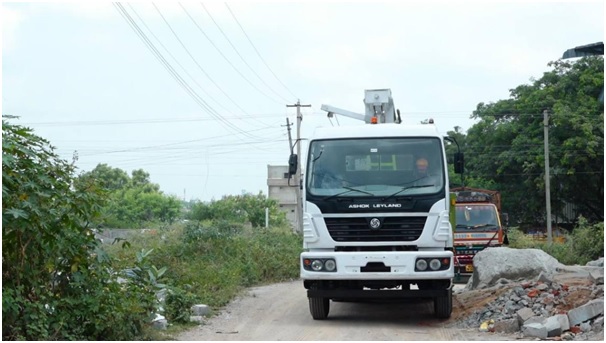
In mining and large-scale construction projects, efficient and reliable blast hole drilling equipment plays a critical role in ensuring precise and productive operations. These machines are designed to drill deep, precise holes in rock formations, facilitating controlled blasting for mineral extraction or excavation.
For operators and project managers, understanding the key components of this machinery ensures improved productivity, safety, and longevity. Whether you are exploring options from drill machine companies or upgrading existing rigs, knowing the fundamentals is crucial.
The Drill Rig Structure
The backbone of any blast hole drilling equipment is its main structure. This includes a heavy-duty frame and base designed to support the entire rig during operations. Stability is critical, as drilling deep holes generates vibrations and stress that can affect accuracy and machine integrity. A well-engineered structure ensures that the equipment can handle heavy workloads and operate reliably in demanding mining environments.
Drill Mast and Hoist System
The drill mast serves as a vertical guide for the drill pipe, maintaining alignment during drilling operations. Alongside the mast is the hoist system, which raises and lowers the drill pipes efficiently. Drill machine companies emphasize the importance of durable hoist systems because they directly impact operational speed and safety. A reliable mast and hoist combination ensures precise drilling and reduces the risk of machine downtime.
Rotary Head and Feed Mechanism
The rotary head is responsible for the rotation of the drill bit, while the feed mechanism applies the necessary downward pressure. This coordinated action allows the drill bit to penetrate hard rock efficiently. Proper maintenance of the rotary head and feed mechanism prevents wear and tear and ensures consistent drilling performance. Choosing equipment from experienced drill machine companies guarantees that these critical components meet industry standards.
Drill Bits and Rods
Drill bits and rods are the parts that interact directly with rock surfaces. Depending on the type of rock, operators can choose from a variety of bits, such as DTH (Down-the-Hole) or roller cone bits. Drill rods connect the bits to the rotary head and transfer torque and force. Selecting the correct combination of bits and rods enhances drilling speed and reduces operational costs. Many drill machine companies provide guidance on selecting components that match specific site conditions.
Hydraulic and Pneumatic Systems
Hydraulic and pneumatic systems are integral to modern blast hole drilling equipment. These systems control machine functions and provide the necessary force for drilling operations. Regular inspection and maintenance of cylinders, pumps, and hoses are essential to avoid failures and ensure smooth operation. Properly functioning hydraulic and pneumatic systems contribute significantly to the efficiency and reliability of the equipment.
Conclusion
Understanding the key components of blast hole drilling equipment is vital for efficient, safe, and cost-effective mining operations. From the drill mast and rotary head to hydraulic systems and drill rods, every part plays a specific role in ensuring precise and reliable drilling. Partnering with trusted drill machine companies helps operators select equipment tailored to their project needs, maximizing productivity and safety.
Prime Rigs provides high-quality blast hole drilling equipment and comprehensive services. Their offerings include design, manufacturing, global export, installation support, and after-sales maintenance, ensuring clients receive reliable solutions that meet international mining standards and project requirements.