
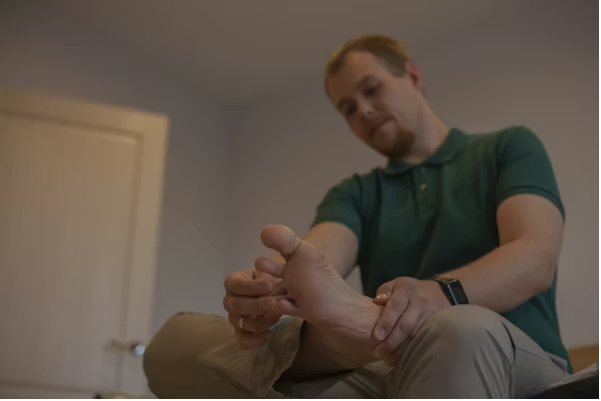
Bunions are a common foot condition that can gradually develop over time, often starting as a mild deformity and progressing into a painful and limiting problem. They appear as a bony bump at the base of the big toe, caused by misalignment of the joint. While many people initially try to manage bunions on their own, professional medical attention is often necessary to prevent worsening symptoms and long-term complications.
A foot and ankle doctor, also known as a podiatric specialist, is trained to diagnose and treat conditions affecting the structure and function of the feet. Seeking specialised care for bunions ensures accurate assessment, effective treatment, and long-term management strategies that support mobility and comfort.
Understanding How Bunions Develop
Bunions form when pressure on the big toe joint causes it to shift out of alignment. Over time, the big toe begins to lean toward the second toe, creating a noticeable bump on the side of the foot. This condition may be influenced by genetics, footwear choices, foot mechanics, or underlying joint disorders.
Although bunions may begin as a cosmetic concern, they often progress into a painful condition that affects walking, standing, and overall foot function. Without proper treatment, the deformity can worsen, leading to increased discomfort and reduced mobility.
Managing Pain and Inflammation
One of the main reasons to see a foot and ankle doctor for bunion treatment is to manage pain effectively. Bunions can cause persistent soreness, redness, swelling, and tenderness around the affected joint. In some cases, the pain may increase during physical activity or when wearing tight shoes.
A specialist can assess the severity of the condition and recommend treatments that reduce inflammation and relieve pressure on the joint. These may include footwear modifications, orthotic devices, padding, or targeted therapies designed to improve comfort and reduce strain on the foot.
Preventing Progression of the Deformity
Bunions are a progressive condition, meaning they tend to worsen over time if left untreated. As the misalignment increases, the joint becomes more deformed, and pain often intensifies. Early intervention from a foot and ankle doctor can slow or even prevent further progression.
Specialists evaluate foot structure and walking patterns to identify contributing factors. By addressing these underlying causes, they help reduce pressure on the joint and minimise further deformity. Without professional care, the condition may eventually lead to difficulty finding suitable footwear and limitations in daily activities.
Access to Non-Surgical Bunion Treatment Options
Many people assume that bunion treatment automatically involves surgery, but this is not always the case. A foot and ankle doctor typically explores non-surgical options first, especially in mild to moderate cases.
These treatments may include custom orthotics to correct foot alignment, anti-inflammatory management, physical therapy exercises, and recommendations for wider or more supportive footwear. These approaches can significantly reduce symptoms and improve function without the need for invasive procedures.
See a Foot and Ankle Doctor When Necessary
In more advanced cases, bunions may require surgical correction. A foot and ankle doctor is qualified to evaluate whether surgery is appropriate based on the severity of the deformity and the level of pain experienced by the patient.
If surgery is recommended, the specialist performs procedures designed to realign the joint, correct bone positioning, and restore normal foot function. Post-surgical care is equally important, and ongoing monitoring ensures proper healing and recovery. Having a specialist manage both diagnosis and treatment improves outcomes and reduces the risk of complications.
Improving Mobility and Quality of Life
Untreated bunions can significantly affect a person’s mobility. Pain and discomfort may cause individuals to change the way they walk, leading to strain on other parts of the foot, ankle, knees, and even the lower back. Over time, this can create additional musculoskeletal problems.
A foot and ankle doctor focuses not only on treating the bunion itself but also on restoring proper movement and alignment. By improving foot mechanics, patients often experience better balance, reduced pain, and improved overall mobility.
The Value of Specialist Care
Seeing a foot and ankle doctor for bunion treatment ensures that the condition is managed with expertise and precision. These specialists understand the complexity of foot structure and can provide tailored treatment plans based on individual needs.
Early consultation can prevent unnecessary pain, reduce the risk of complications, and improve long-term foot health. Professional care offers a structured approach to managing bunions effectively, helping patients maintain comfort, mobility, and quality of life.