
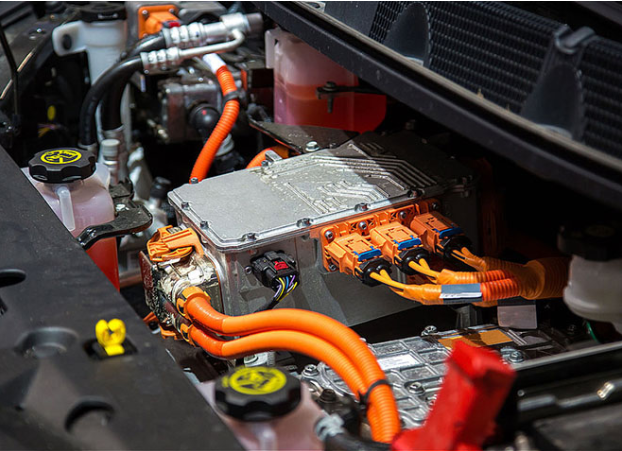
Electric vehicles (EVs) are becoming a popular choice worldwide due to their low emissions and cost-effective operation. They rely on high voltage batteries to store and deliver energy efficiently. While these batteries make EVs powerful and reliable, they also carry significant risks if not handled safely.
High voltage electricity can cause serious injury or even death if proper precautions are not taken. Understanding the importance of high voltage safety is crucial for anyone working with, repairing, or using electric vehicles.
Understanding High Voltage in EVs
Electric vehicles use high voltage systems that range from 200 to 800 volts, depending on the model. This is much higher than the electricity used in homes, which is usually 110 or 220 volts. High voltage allows EVs to charge faster and deliver more power to the motor, giving the car better performance.
However, the same high voltage can be extremely dangerous. A small mistake, such as touching exposed wires or faulty components, can result in electric shock or burns. Knowing how these systems work and where the risks lie helps people avoid accidents and stay safe.
Risks of Ignoring Safety Measures
Ignoring safety precautions when handling EV high voltage systems can lead to severe consequences. Electric shock can stop the heart or cause permanent nerve damage. Fires may also start if the battery is damaged or short-circuited. Even small mistakes, like using the wrong tools or wearing metal jewelry near the battery, can create life-threatening situations.
These risks are not only for technicians but also for car owners who try DIY repairs or modifications. The high voltage safety for electric vehicle ensures that both professionals and everyday users reduce the chances of serious accidents.
Safety Protocols and Equipment
Electric vehicle manufacturers and service centers follow strict safety protocols to protect against high voltage dangers. Technicians use insulated gloves, safety glasses, and special tools designed to handle electricity safely. Cars are often equipped with automatic safety systems that cut off power if a fault is detected.
Users are also advised to follow manufacturer instructions carefully, avoid tampering with the battery, and use approved charging equipment. These safety measures reduce the risk of injury and keep the vehicle functioning properly.
Training and Awareness
Proper training is essential for anyone working with electric vehicles. Technicians receive specialized courses to understand battery systems, identify hazards, and respond to emergencies. Even general awareness for car owners can prevent dangerous situations.
Reading the user manual, recognizing warning signs, and avoiding risky behavior around the battery are simple steps that save lives. Awareness and education create a culture of safety that protects everyone involved with electric vehicles.
Conclusion
High voltage safety in electric vehicles is not optional; it is a necessity. These systems provide incredible performance and efficiency, but they also carry serious risks if handled incorrectly. Understanding how high voltage works, following safety protocols, using protective equipment, and staying informed are key ways to prevent accidents.
Both technicians and car owners benefit from respecting these precautions. As electric vehicles continue to grow in popularity, high voltage safety will remain a crucial part of keeping drivers, passengers, and service personnel safe.